The Art of Negotiation: A Surface Designer's Guide to Licensing Deals
Oct 22, 2026
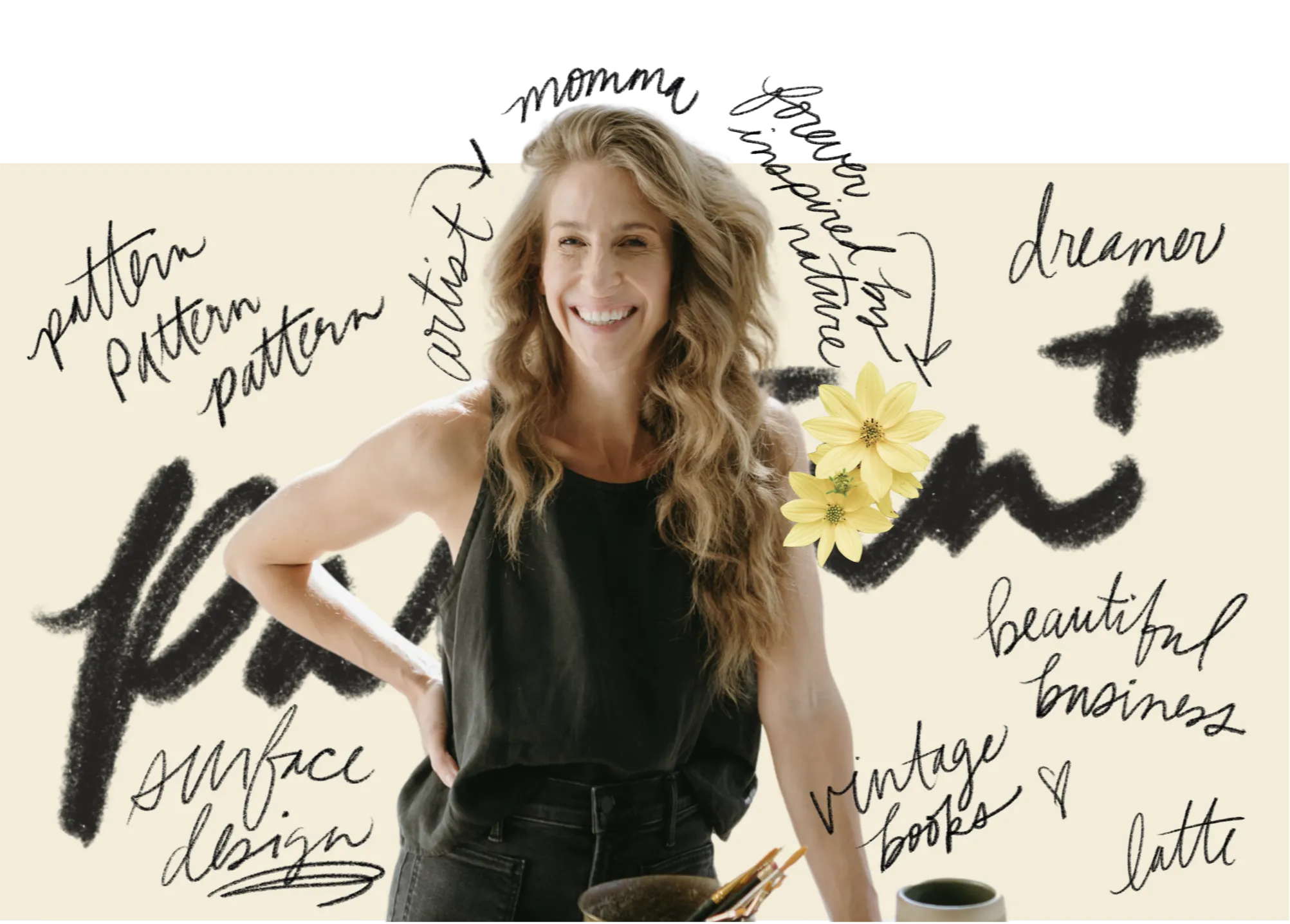
By: Bonnie Christine
Story Adapted From Pattern Magazine – Volume 2
Pattern Magazine is Bonnie Christine's quarterly print and digital publication for surface pattern designers, artists, and creative entrepreneurs who believe that how you live shapes what you make. This story first appeared in Volume 2, Rooted Rhythms, the autumn 2025 issue.
A surface designer’s guide to licensing deals.
Licensing your artwork is an incredible opportunity to expand your creative business, build partnerships, and see your designs come to life in new and exciting ways. But where many artists hesitate, where the nerves settle in? Negotiating.
Negotiation may feel unfamiliar at first, but it is one of the best ways to value your art, build your future, and create agreements that serve both you and your licensing partner.

I still remember the first time I negotiated a licensing contract. It was 2013, and I felt like a complete impostor. I wondered if I should just agree to whatever was offered. Who was I to ask for changes? But I sat with it and realized that negotiating showed professionalism, knowledge, and an eagerness to take care of the business side of my art. Despite my nerves, I focused on submitting my proposed changes with a kind and clear tone. To my surprise, the company not only accommodated them, but they appreciated my thoughtful approach.
That experience taught me that negotiation is simply part of doing business well and can strengthen a partnership from the start.
Understanding the Anatomy of a Licensing Deal
Licensing deals often follow a general path. They begin with initial contact, where a company expresses interest in your work. This is followed by an agreement to move forward, which sometimes includes signing a non-disclosure agreement. Next comes the contract stage, which includes negotiation, revision, and a final signed agreement. Then production begins, and ideally, you stay in touch through the process and beyond!
There are a few key terms to understand as you navigate licensing:
- Licensor: The artist (that’s you!) who owns the copyright and is granting permission to use the design.
- Licensee: The company seeking rights to use the design.
- Rights Granted: The exact ways the company is allowed to use your design, including the products it can appear on (for example, fabric, stationery, wallpaper, or bedding).
- Exclusivity: Whether the company will have the right to use the design without you licensing it to anyone else during the agreement period or if other companies can use it too.
- Territory: The geographic area where the licensee can use the design.
- Compensation: The financial terms, including royalties, advances, and minimum guarantees.
- NDA (or Non-Disclosure Agreement): A legal contract that protects confidential information shared between parties and ensures it is not disclosed to others.
At each stage, clarity protects both you and your work. The more questions you ask and details you confirm, the smoother the experience will be.
Preparing to Negotiate: Your Foundation
Before you enter any contract conversation, take time to prepare. Research industry standards for royalty rates in the industry you’re working with. In surface pattern design, royalty rates often fall between three and seven percent of wholesale sales. Some product categories or highly specialized work may get even higher rates.
Reflect on what is most important to you. Are you firm about territory? Do you want to limit exclusivity or make sure your name appears on the packaging? Knowing your non-negotiables helps guide the conversation and keeps you grounded.
It is also important to check in with legal counsel, especially if you encounter unfamiliar terms or complex agreements. A contract review can help you avoid pitfalls and give you greater confidence.
Remember that you bring enormous value to the table. Your art, vision, and story matter—they’re what companies want to license.
Areas You Can Negotiate
When we think about licensing, many of us go straight to royalty rates. And while rates are important, I’ve learned over the years that there are so many other areas of a contract that can be tailored to better support your business, protect your art, and create partnerships that truly feel good. Negotiation is about creating clarity and alignment, so that both sides walk away ready to do great work together. Let’s look at some of the places I often recommend considering.
Territory
Territory defines where your art can be sold on the licensed products. You might choose to grant rights for a specific country, region, or the entire world. The key is matching the territory to where the company actually plans to sell. For instance, if a contract asks for worldwide rights but the company primarily sells in North America, you could adjust this. That way, you keep doors open for licensing the same design in other parts of the world.
Tip: Clarify territory based on where the company will realistically sell. If they ask for worldwide rights, it’s always worth confirming that they truly need it.
Exclusivity
Exclusivity means the company has the sole right to use your design within certain terms. This could cover just one product category or everything they produce. For example, you might offer exclusivity for greeting cards but retain rights for fabric, wallpaper, or other categories. This approach allows you to build multiple opportunities for the same artwork without overlap.
Tip: Be specific about what exclusivity covers. Often, category-specific exclusivity offers the perfect balance between opportunity and protection.
Duration
Duration refers to how long the company can use your art. A shorter term gives you the chance to see how things go and revisit the agreement later. One to two years is a great starting place and leaves room for adjustments as your work grows. Many contracts land between two and five years.
Tip: If possible, start with a shorter term and include an option to extend when the time is right.
Royalty Rate
Your royalty rate is the percentage of sales you’ll earn from licensed products. When it comes to rates, you can often negotiate based on the strength of your brand, your unique style, or your past success. In surface design, royalty rates usually fall between three percent and seven percent of wholesale sales.
Tip: Aim for at least five percent when possible, keeping in mind that royalty rates often depend on the type of retailer. Standard retailers usually offer higher rates than off-price or discount stores, and smaller boutiques may vary.
Advance
An advance is a payment you receive upfront, credited against future royalties. It helps provide financial security as production gets underway and shows the company’s commitment to your work.
Tip: Advances vary widely by industry and partner. They’re not guaranteed, but it’s always a professional and reasonable request. Even a modest advance signals commitment from the company and helps provide security as production begins.
Credit and Branding
This ensures your name or brand appears on products, packaging, or marketing materials. It helps build your reputation and keeps your work connected to you.
Tip: Be clear about how you want your name or brand to appear. I always recommend keeping your name attached to the artwork you license unless it’s work you don’t necessarily want to build your brand with or keep in your portfolio.
Scope of Use
Scope defines what kinds of products your design can appear on. For example, if your artwork is licensed for bedding, the company shouldn’t also use it on wallpaper unless you’ve agreed.
Tip: Be specific about what products your art will be used on. This keeps things clear and protects future opportunities.
Communicating with Confidence and Kindness
Negotiation can feel intimidating, but it truly is just a conversation. When you approach it with kindness and clarity, it helps everyone feel more at ease. The goal is simply to create an agreement that works well for both sides.
If you want to suggest changes, you might say something like:
“I appreciate you sending this over. I’ve reviewed it carefully and noted a few areas I’d like to refine so that everything reflects our shared goals. I’ve outlined them below and will be looking forward to your thoughts!”
Clear, thoughtful communication builds trust. It helps set the tone for a partnership where both sides feel respected and excited to work together.
Legal Support
Whenever possible, work with a lawyer who understands licensing and creative contracts. They can help you spot red flags, clarify confusing language, and protect your rights.
One of my favorite ways to support this process is to use AI for clarity. While AI should not replace legal review, it can help you better understand a contract. A helpful prompt is:
“Please review this contract and explain it to me in plain language. I want to fully understand the terms, rights granted, compensation structure, and any risks.”
This can give you a solid foundation before discussing the document with your lawyer.
Each licensing deal is an opportunity to grow in both your business and your confidence. When you take the time to follow up with care, nurture the relationship, and celebrate every agreement, you build something lasting. Set aside thoughts of push or demand. Negotiation is about shaping partnerships that honor your work, protect your rights, and help you build a creative business that supports the life you want to live.
Each time you sit down at the table, you gain practice. Each contract brings you closer to clarity. Each conversation reminds you that your art is worth going the extra mile.
You’ve got this.
Wanting More?
This story comes from Volume 2 of Pattern Magazine, Rooted Rhythms. The whole autumn issue, with every story and photograph, is at bonniechristine.com/patternmagazine.
Get The Pattern Post in your inbox
The week’s news from the creative industry, with my spin on it, every Tuesday. Free, and yours to pause whenever you like.
We honor your email. We will never sell your information, for any reason.